Getting a 2nd knee replacement may be necessary if you have experienced degeneration or loosening from wear, complications such as infection or improper alignment, or changes in joint health.
Getting a 2nd knee replacement may be necessary if you have experienced degeneration or loosening from wear, complications such as infection or improper alignment, or changes in joint health.
There are so many reasons Canadians choose surgeons in the United States, from access to specialized care to shorter wait times. Even though getting a joint replacement in the U.S. is a smart idea, returning home can present unique challenges during recovery.
Many Canadians with orthopedic complications find it advantageous to travel internationally for surgery. Doing so can give them access to specialized care, shorter joint-replacement wait times, and more control over scheduling.
Hip replacements help about 544,000 Americans relieve pain and restore mobility every year. Even though this procedure has gotten more efficient and less invasive, incisions are still required to access the joint and replace damaged bone and cartilage with a prosthetic, meaning hip replacement scars are unavoidable.
After a patient undergoes an invasive medical procedure, their body naturally increases blood flow to the surgical site to supply the nutrients and immune cells needed for tissue repair.
Because hip replacement surgery removes the damaged or worn joint and replaces it with a prosthesis to improve function, patients are likely to experience biomechanical changes postoperatively. These changes are usually for the better, but the initial adjustment period can still raise concerns, especially when temporary surgical side effects like soreness and stiffness make things feel more unusual.
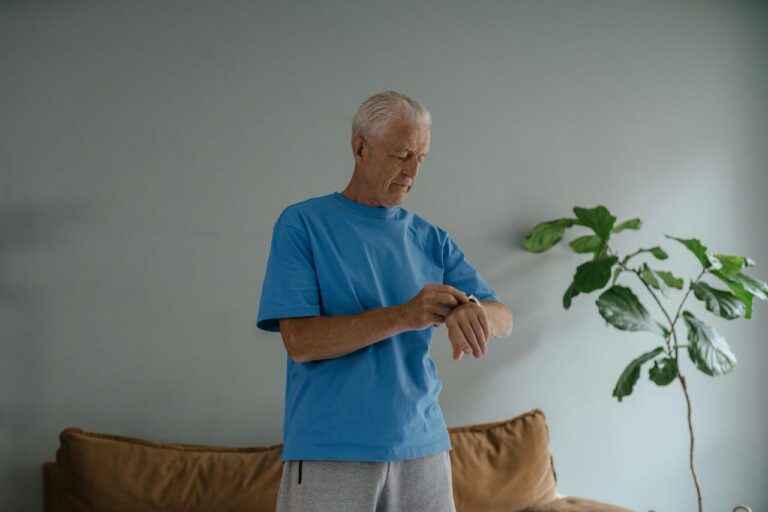
Recovering from a medical procedure like a joint surgery is a multi-stage process. Tracking your progress through each phase makes it easier to keep care teams informed, which is imperative for identifying warning signs and obtaining approval to return to certain physical activities.